Bedroom Furniture encompasses a range of enduring essentials designed to enhance rest, organization, and personal space. This category emphasizes structural beds, ergonomic nightstands, and complementary storage solutions that support quiet, restorative sleep. Key materials include solid wood, engineered composites, and breathable textiles chosen for durability, comfort, and long-term value in a sleep-focused environment.
Within this category, product design prioritizes support, safety, and adaptability. Functional characteristics such as adjustable headboard heights, cushioned panels, and integrated lighting can improve posture, reading comfort, and ambiance without compromising room flow. Understanding construction quality and support systems helps inform choices aligned with room dimensions and user needs.
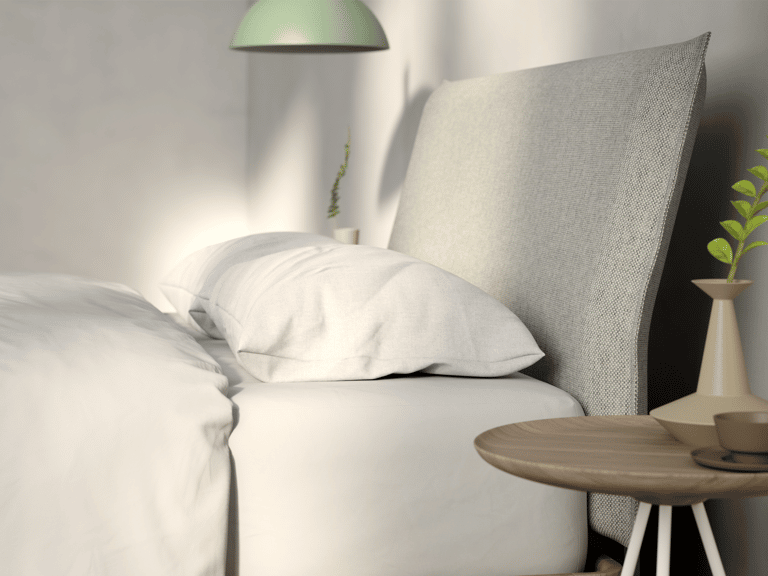
Relevant features commonly appear in items like the Pillow Repose Headboard, which combines ergonomic shaping with soft, tactile surfaces. This type of headboard offers back and neck support during seated activities, while its design can help manage cable routing and acoustic damping, contributing to a calmer sleeping or relaxing environment.
Material choices in bedroom furniture influence climate control, allergen exposure, and longevity. Options including natural fibers, low-VOC finishes, and breathable upholstery promote healthier indoor air quality and maintenance ease. When evaluating sets or individual pieces, consider compatibility with existing bedding, mattress type, and nursery or travel-friendly use cases.
Functional versatility is a common thread in this category, aligning with varied living spaces and lifestyles. Headboard designs, storage-augmented bed frames, and supportive surfaces address needs from nursery safety to guest room usability. By examining features such as ease of cleaning, modularity, and compatible accessories, users can plan cohesive, sustainable sleep environments.
 Furniture