Cotton as a natural fiber offers breathability, softness, and moisture management that contribute to comfortable sleep and resting environments. Understanding its properties helps clarify why cotton is chosen for pillows, bedding, and nursery supports. Cotton fibers encourage airflow, reducing heat buildup while maintaining gentle cushioning for varied sleeping positions and sensitivities.
In pillow design, cotton fibers serve as a versatile cover material or filling option, often blended or layered to balance support and softness. Cotton pillow products prioritize hypoallergenic qualities, durability, and easy washability, making them suitable for daily use, travel portability, and nursery needs where gentle contact with skin is essential.
Key features to note include natural breathability, resilience after washing, and a comfortable feel that adapts to different sleep environments. Cotton's fiber structure supports moisture wicking and can help regulate temperature, which is beneficial for people who experience night sweats or prefer a cooler, drier sleeping surface during rest periods.
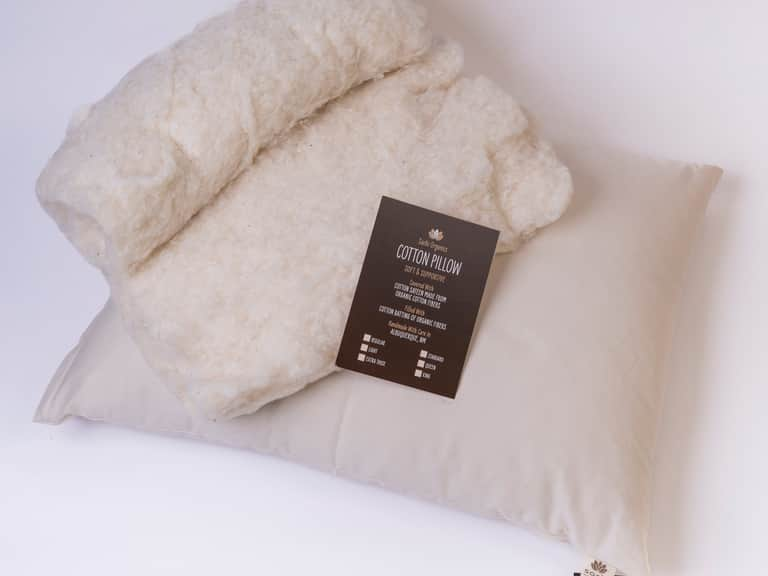
Within the Cotton category, products such as Cotton Pillow variants showcase practical benefits: consistent loft for spinal alignment, easy-care machine washing, and compatibility with additional pillow fills like kapok or latex blends. These options support varied use cases—from nursery pillows for infants to travel pillows that maintain shape during transit and use.
Understanding cotton’s role in bedding and pillows connects material science to daily usability: comfort, hygiene, and long-term performance. When evaluating cotton-based options, consider fiber quality, weave or knit structure, and the intended use case—whether for quiet nights at home, nursery safety, or portable comfort during travel—alongside keywords like bedding, pillows, latex, and travel pillows.
 Bedding